Amira Clinic

BLEPHAROPLASTY

A naturally refreshed look begins with balanced proportions

Blepharoplasty is a surgical procedure designed to correct the eyelids and the tissues around the eyes. It can address excess skin, prominent fat pads, and changes in tissue position when these affect the appearance of the eyelids.

At Amira, we view eyelid surgery not as an attempt to change your appearance, but as a delicate correction of individual anatomical features and age-related changes.

The goal is to preserve your facial individuality, create a more harmonious appearance around the eyes, and achieve a natural-looking result.
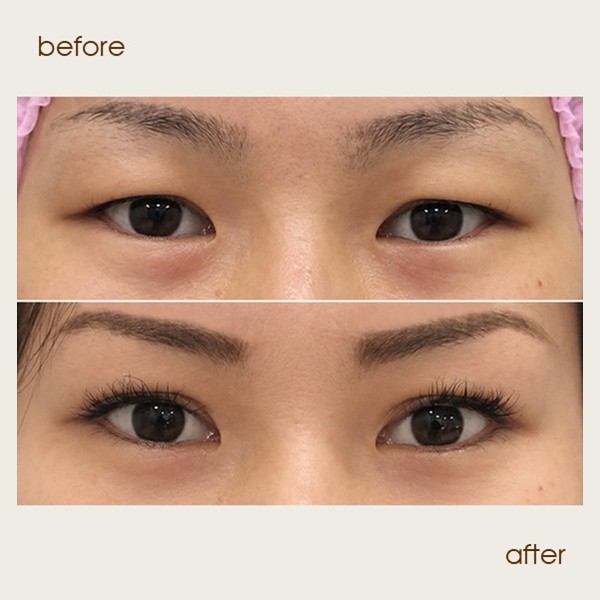
l 1

WHAT IS BLEPHAROPLASTY?

Blepharoplasty, or eyelid surgery, is a surgical procedure to correct the upper and/or lower eyelids.

Depending on the individual anatomy, the procedure may address excess skin, fatty tissue, and the position of the soft tissues around the eyes.

Blepharoplasty can be performed on its own or combined with other surgical techniques when clinically appropriate.

It is important to understand that eyelid surgery does not necessarily involve removing as much tissue as possible. The modern approach emphasizes individualized anatomical assessment and preservation of natural proportions.

WHAT CONCERNS CAN BLEPHAROPLASTY ADDRESS?:

People may consult a plastic surgeon if they are concerned about:

• Excess skin on the upper eyelids
• Drooping or hooded upper eyelids
• Prominent fat pads around the eyes
• Under-eye bags
• Changes in the contour of the lower eyelids
• Eyelid asymmetry
• Age-related changes in the area around the eyes
• A tired-looking appearance
• Changes in eyelid shape following previous surgery

Similar visible concerns can have different underlying causes. For example, fullness beneath the eyes may be associated not only with excess skin but also with prominent fat pads, orbital anatomy, the condition of the soft tissues, or eyelid position. Therefore, the surgical approach is determined following an in-person consultation and an individual assessment.

TYPES OF BLEPHAROPLASTY:

Upper Blepharoplasty

Upper blepharoplasty is designed to correct the upper eyelids. The procedure may involve removing excess skin and addressing the tissues that contribute to upper eyelid hooding.

In some cases, surgery can help create a more open-looking appearance while preserving the natural shape of the eyes.

An individualized assessment is essential, as pronounced hooding can have different causes and cannot always be corrected by removing skin alone.

Lower blepharoplasty is performed to address the tissues of the lower eyelids. Depending on the patient’s anatomy, the surgeon may address excess skin, fat pads, and the contour of the transition between the lower eyelid and the cheek.

The goal is to create a smoother, more harmonious under-eye area without an overly tight or unnatural appearance.

Combined Upper and Lower Blepharoplasty

Combined upper and lower blepharoplasty addresses both the upper and lower eyelids during a single surgical procedure.

This approach may be considered when changes are present in both the upper and lower periorbital areas. The suitability of combining the procedures is determined on an individual basis.

In the transconjunctival approach, the surgeon accesses the tissues of the lower eyelid through an incision on the inner surface of the eyelid, through the conjunctiva.

One application of this technique is the correction of prominent lower eyelid fat pads when there is no significant excess skin.

Whether this approach is suitable for a particular patient is determined after an assessment of the lower eyelids.

SPECIAL OFFER ON BLEPHAROPLASTY

A social program offering special pricing on blepharoplasty for healthcare and education professionals, as well as senior citizens.

Upper Blepharoplasty

350 000 ₸ instead of 450 000 ₸ 

450 000 ₸ instead of 580 000 ₸ 

650 000 ₸ instead of 850 000 ₸ 

400 000 ₸ instead of 500 000 ₸ 

400 000 ₸ instead of 500 000 ₸ 

To qualify for the special pricing, applicants must submit an application, provide supporting documentation, and undergo a medical examination to rule out contraindications.

FREQUENTLY ASKED QUESTIONS:

How is blepharoplasty performed?

The specific surgical technique depends on the type of blepharoplasty and the patient’s individual anatomy.

For upper blepharoplasty, the incision is usually placed within the natural crease of the upper eyelid.

For lower blepharoplasty, the surgeon selects the appropriate approach based on the treatment goals. This may involve an incision through the skin or a transconjunctival approach.

During surgery, the tissues are adjusted according to a plan established in advance.

After the procedure, the patient receives instructions for recovery and follow-up care.

Changes become noticeable as the initial swelling subsides, but the final result develops gradually.

During the first days and weeks after surgery, the eyelid area may look different from how it will appear once recovery is complete.

The tissues gradually settle into their new position as healing progresses.

The exact timeline depends on the individual’s healing response and the extent of the procedure.

Not every concern around the eyes requires surgery.

Depending on the underlying cause, options may include aesthetic treatments, energy-based procedures, or surgical correction.

For example, significant excess skin cannot be fully removed with a non-surgical aesthetic treatment.

That is why choosing the right approach begins with an assessment.

First, identify the cause. Then, choose the method.

This is one of the key principles of the Amira approach.

In some cases, surgery can correct prominent fat pads that create the characteristic fullness beneath the eyes.

However, under-eye bags can have different underlying causes, so a medical assessment is necessary before deciding on the appropriate treatment.

Will blepharoplasty change the shape of my eyes?

Blepharoplasty is designed to correct the tissues of the eyelids. Surgical planning should take into account the natural shape of the eyes and the proportions of the face to help avoid an artificial-looking result.
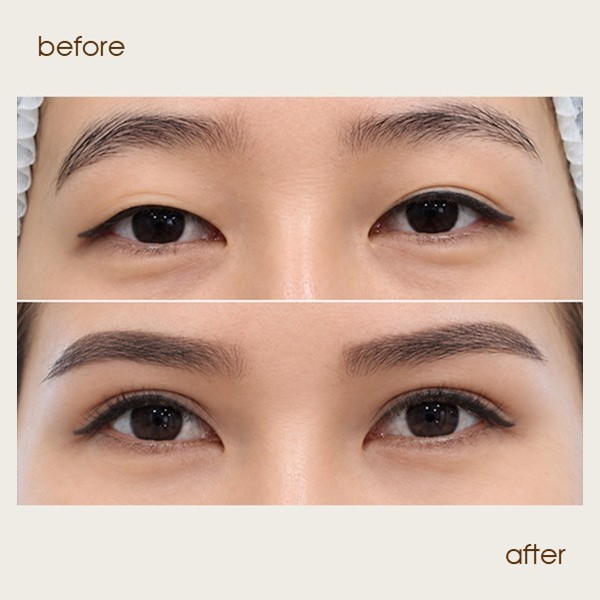
Blepharoplasty primarily addresses the skin and tissues of the eyelids. Fine expression lines may have a different underlying cause and cannot always be corrected through surgery.

In some cases, these procedures can be combined. The suitability of this approach is determined individually after assessing the face and the condition of the tissues.

There is no single age requirement that applies to every patient. The decision is based on individual anatomy, the condition of the tissues, and medical indications.

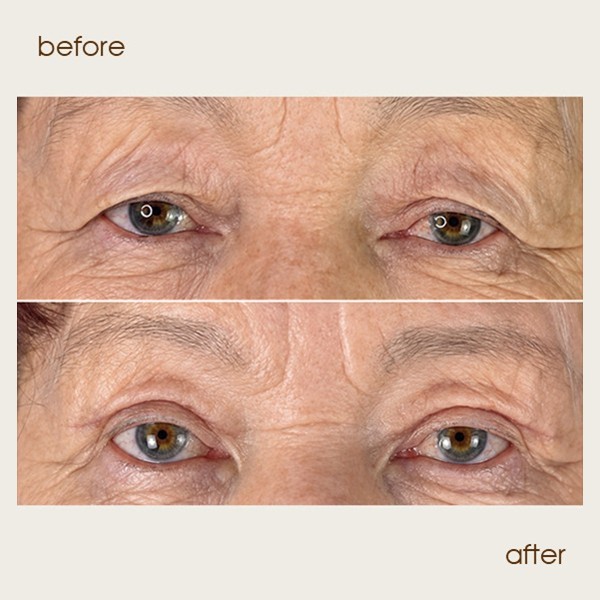
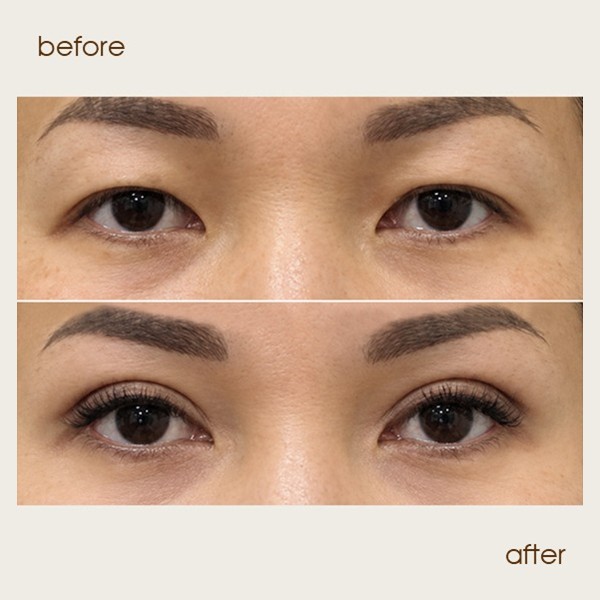
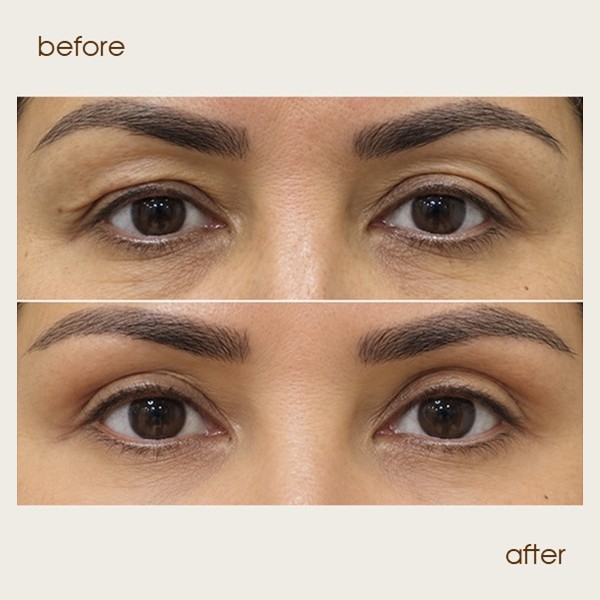
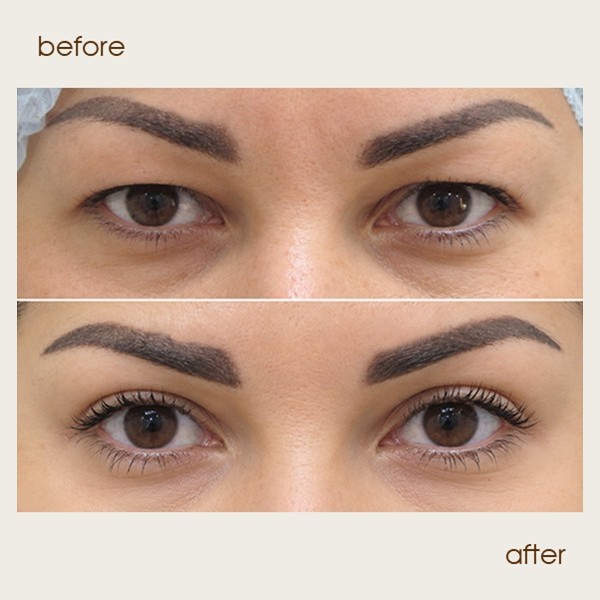
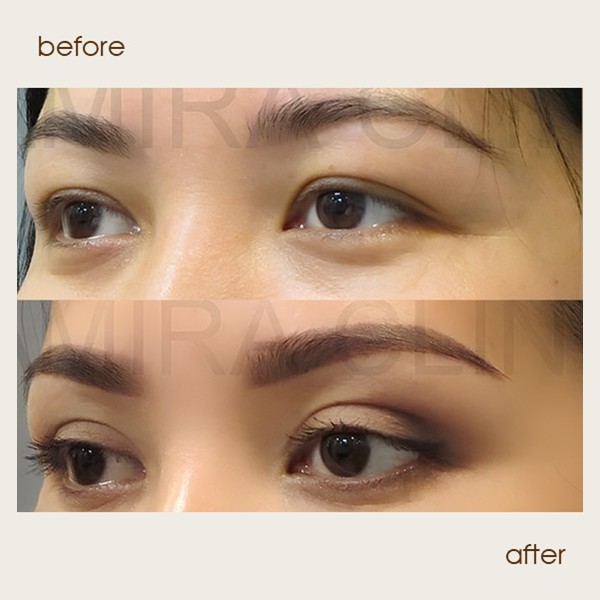
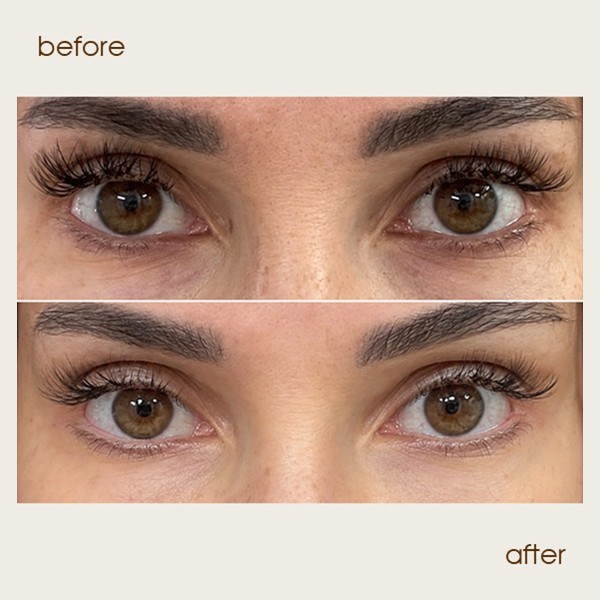
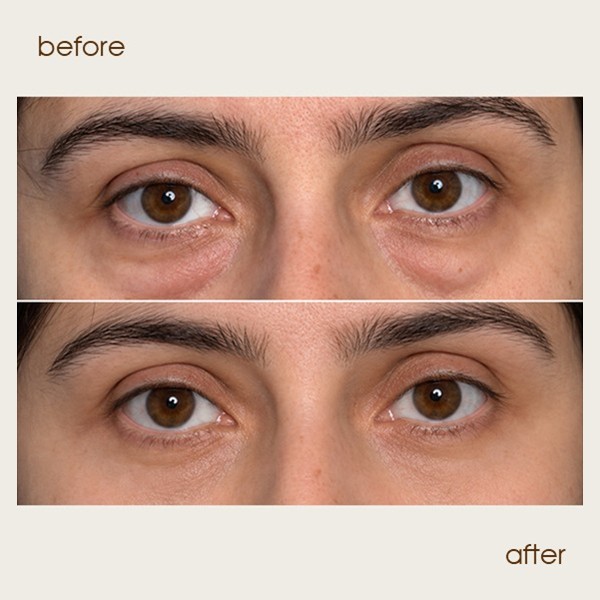
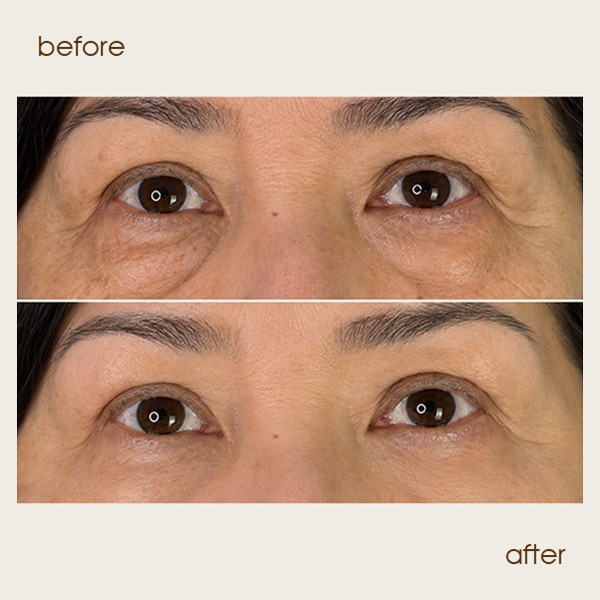
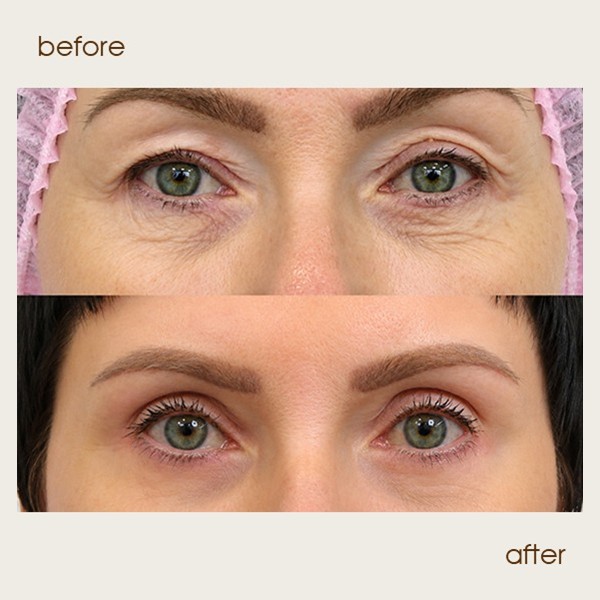
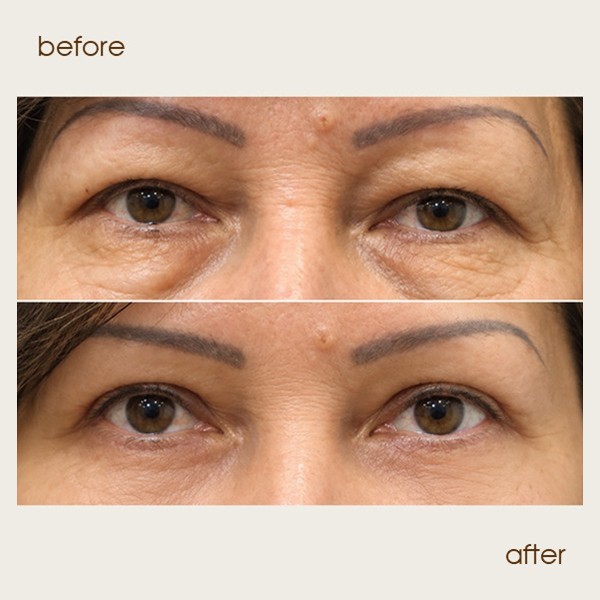
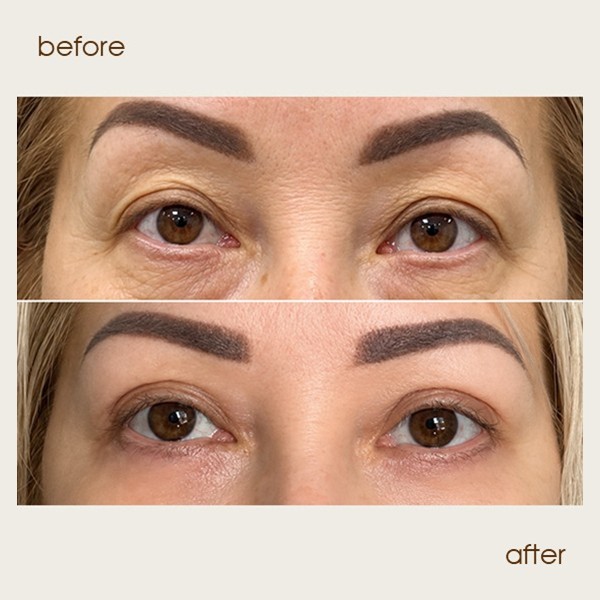
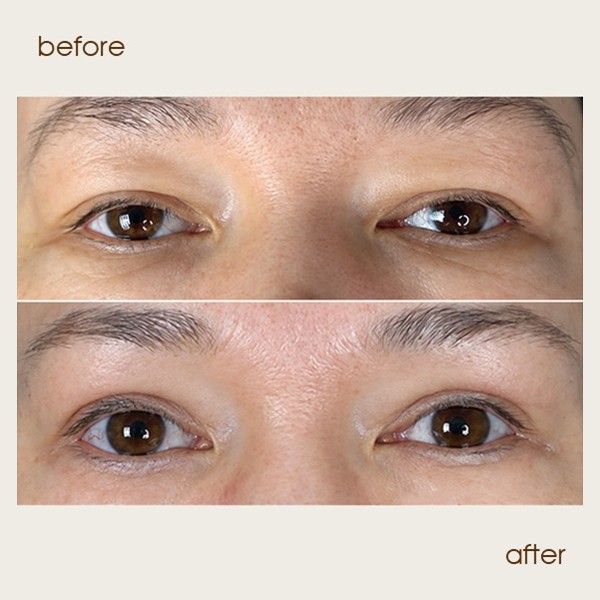
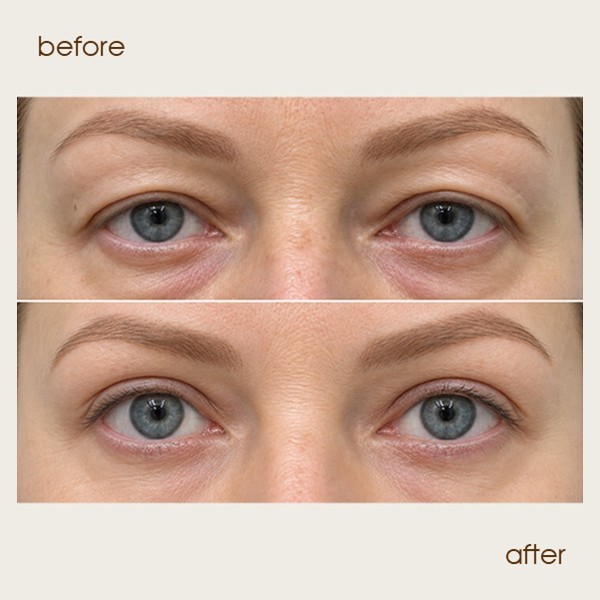
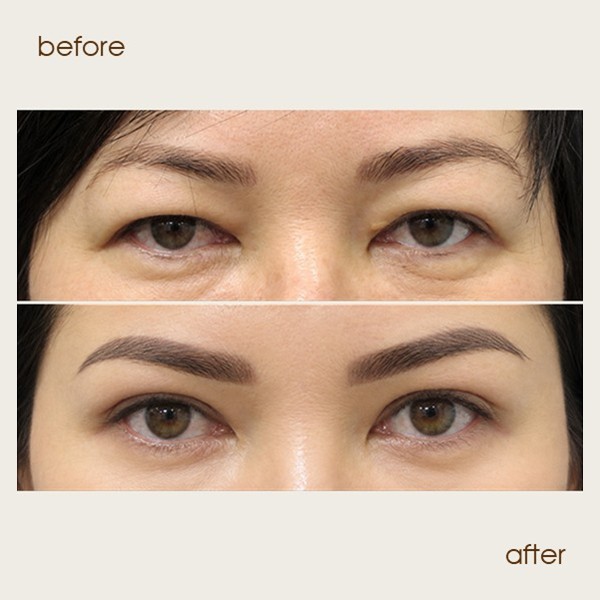
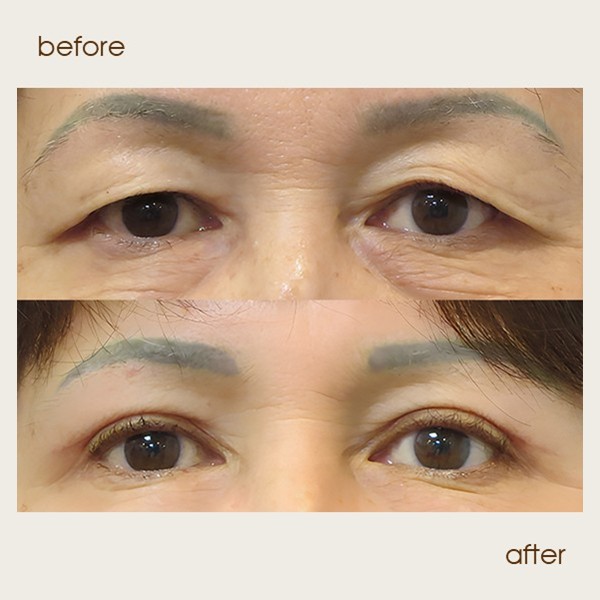
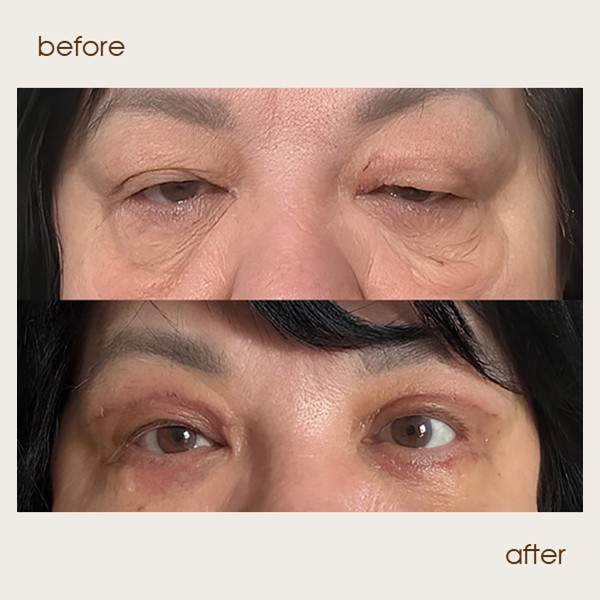
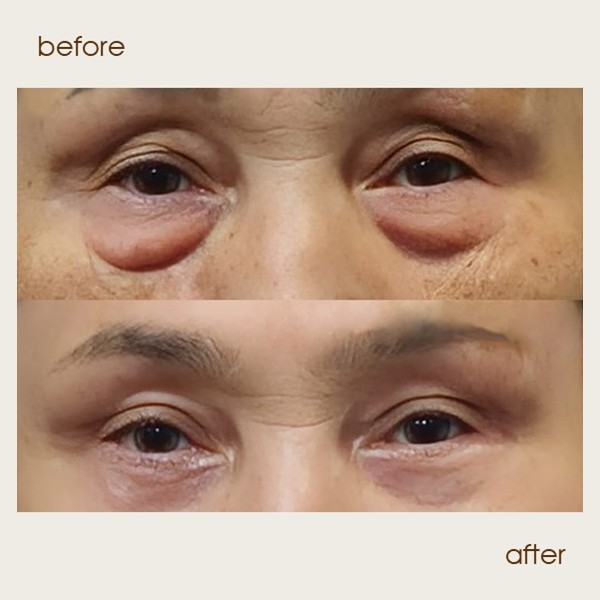
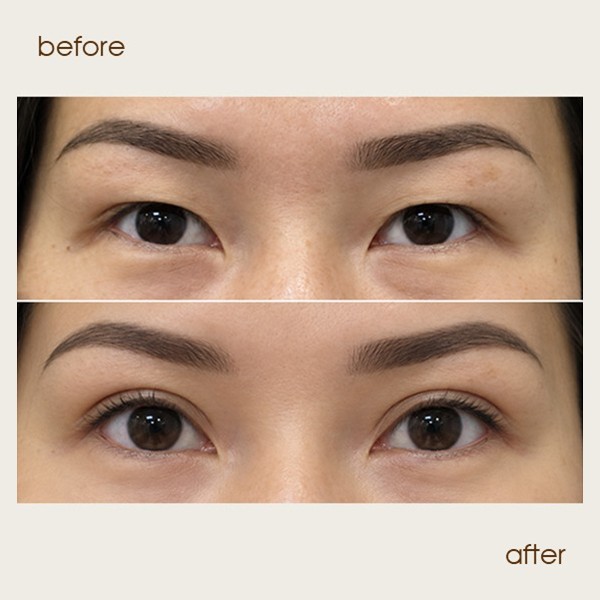
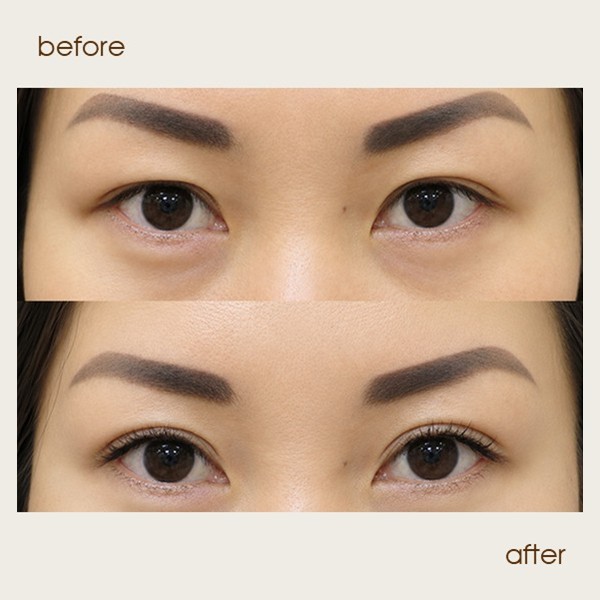
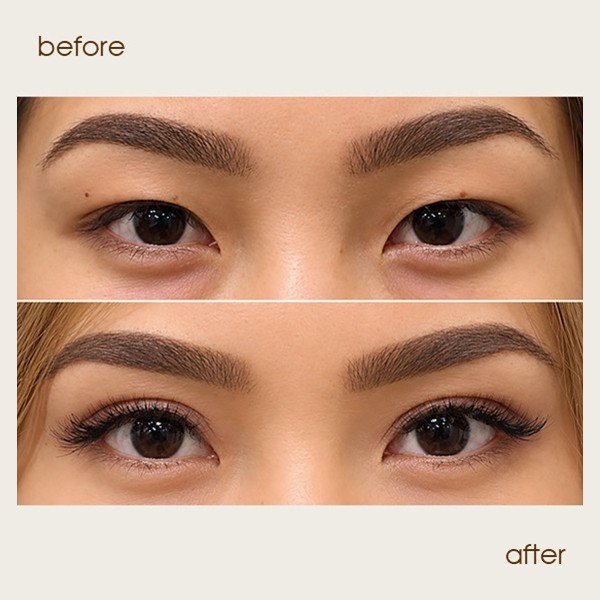
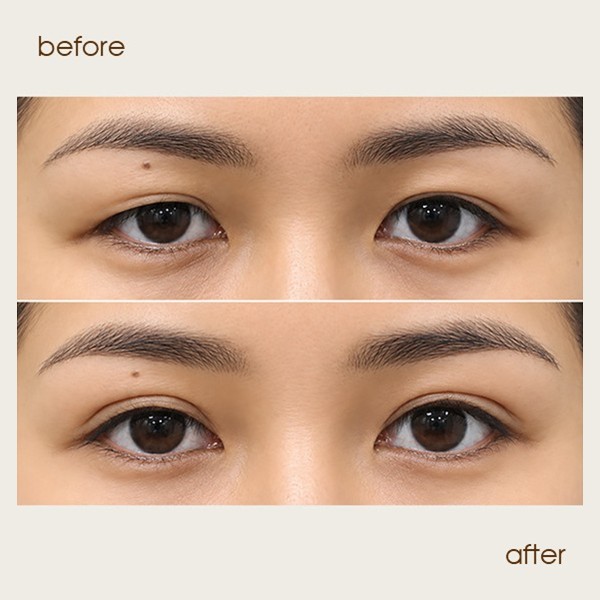
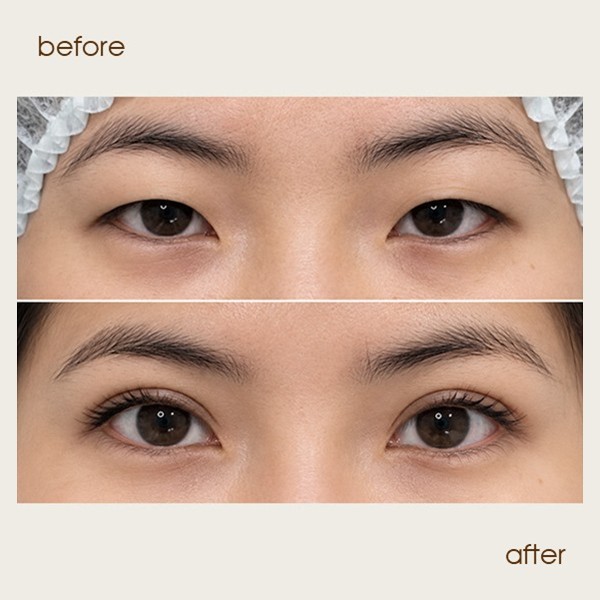
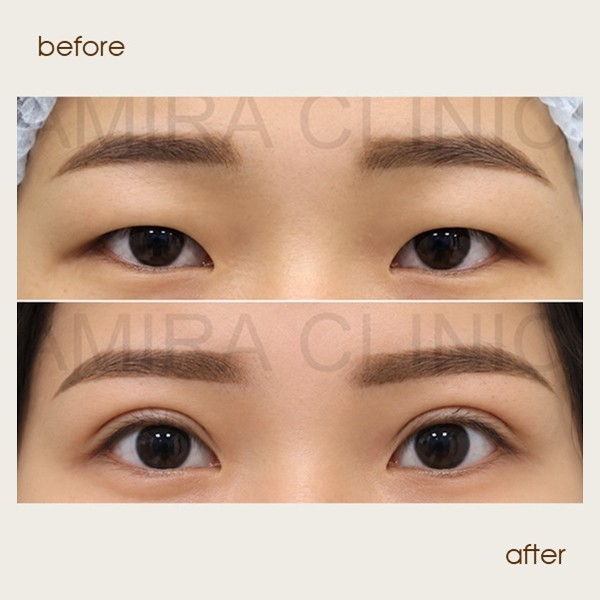
RESULTS:

UPPER BLEPHAROPLASTY

LOWER BLEPHAROPLASTY

COMBINED UPPER AND LOWER BLEPHAROPLASTY

DOUBLE EYELID SURGERY

PRICING:

Upper Blepharoplasty

from 350 000 ₸

from 420 000 ₸

Combined Upper and Lower Blepharoplasty

from 650 000 ₸

from 370 000 ₸

Scroll to Top