
Amira Clinic

GYNECOLOGY

Women's health — from preventive care and diagnostics to personalized treatment

Gynecology is about more than treating medical conditions. Regular examinations help identify changes early, monitor the reproductive system, and support women’s health at every stage of life.

At Amira, we provide diagnosis and treatment of gynecological conditions, reproductive health assessments, preventive care for pelvic conditions, and consultations for women during perimenopause and menopause. We also offer guidance on contraception, family planning, and preparation for pregnancy.

We take a comprehensive approach to women’s health, considering age, medical history, hormonal status, reproductive plans, and individual characteristics.

Caring for your health begins not when something feels wrong, but when you start paying attention to yourself.
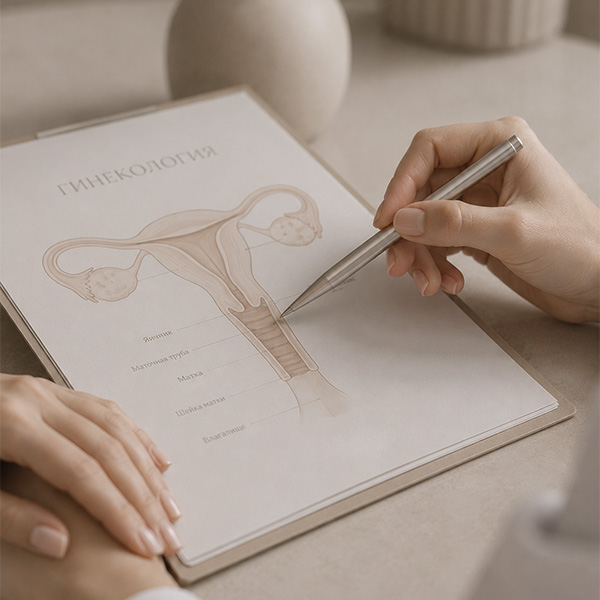

GYNECOLOGY SERVICES

Diagnosis, treatment, and prevention of conditions affecting the female reproductive system

Modern gynecology not only treats medical conditions but also helps identify changes early, including those that may remain unnoticed for a long time.

At Amira, you can consult a gynecologist, undergo the necessary diagnostic tests, and receive personalized recommendations for further treatment or follow-up.

INTIMATE AESTHETIC SURGERY

A range of treatments, including surgical and other approaches, to address the appearance and certain anatomical features of the intimate area.

g 1

GYNECOLOGICAL CONSULTATIONS

Modern gynecology not only treats medical conditions but also helps identify changes early, including those that may remain unnoticed for a long time. At Amira, you can consult a gynecologist, undergo the necessary diagnostic tests, and receive personalized recommendations for further treatment or follow-up.

Our key areas of care include:

• Diagnosis and treatment of gynecological conditions
• Testing for sexually transmitted infections (STIs)
• Evaluation of hormonal disorders
• Gynecological cancer prevention and screening
• Diagnosis and treatment of cervical conditions
• Colposcopy
• Preconception care
• Evaluation of fertility concerns

g 2

DIAGNOSIS, TREATMENT AND PREVENTION

Routine gynecological examinations are recommended even when no symptoms are present. An additional consultation is particularly important if you experience any of the following:

• Lower abdominal pain
• Unusual vaginal discharge
• Itching or burning
• Unpleasant vaginal odor
• Pain or discomfort during sexual intercourse
• Irregular menstrual cycles
• Unusually heavy or painful periods
• Bleeding between periods
• Bleeding after sexual intercourse
• A missed or delayed period
• Difficulty conceiving

Not all gynecological conditions cause noticeable symptoms. This is why preventive examinations are important in their own right.

g 3

STI TESTING AND TREATMENT

Sexually transmitted infections (STIs) are a group of infections that can be transmitted primarily through sexual contact. Some infections may cause few or no noticeable symptoms.

Testing may be recommended if you have symptoms, following unprotected sexual contact, or when other risk factors are present.

Depending on your individual situation, your doctor may recommend appropriate laboratory tests. Once the results are available, the next steps are determined.

It is important not to self-diagnose or treat an infection based on symptoms or information found online.

If an infection is detected, your doctor will recommend appropriate treatment and, when necessary, provide guidance regarding your sexual partner or partners.

g 8

HORMONAL DISORDER DIAGNOSIS

Hormonal balance affects the menstrual cycle, reproductive function, skin and hair condition, and overall well-being. You may wish to consult a gynecologist if you experience:

• Irregular menstrual cycles
• Absence of menstruation
• Unusually heavy or prolonged periods
• Severe premenstrual symptoms
• Difficulty conceiving
• Unexplained weight changes
• Unwanted hair growth
• Skin changes
• Other symptoms that may be associated with hormonal imbalances

Your doctor will assess your symptoms and overall clinical picture and, if necessary, recommend laboratory tests to investigate possible hormonal imbalances.

g 9

CANCER PREVENTION AND SCREENING

Preventive gynecological examinations help identify precancerous changes and other abnormal conditions at an early stage. Particular attention is paid to the cervix, endometrium, ovaries, and other pelvic organs.

Cervical cancer prevention may include screening methods such as HPV testing and cervical cytology, according to age, medical history, and individualized recommendations. In some cases, your doctor may recommend additional diagnostic procedures.

The goal of preventive care is to identify changes early, when they may be easier to manage.

g 5

DIAGNOSIS AND TREATMENT OF CERVICAL CONDITIONS

The cervix requires regular monitoring because some abnormal changes may remain asymptomatic for a long time.

Depending on your individual situation, your doctor may recommend:

• A gynecological examination
• Cervical cytology (Pap test)
• HPV testing
• Colposcopy
• Biopsy, when indicated
• Other necessary diagnostic investigations

If abnormalities are identified, your doctor will determine the appropriate follow-up or treatment plan. Not every cervical abnormality requires immediate surgical intervention.

g 6

PRECONCEPTION CARE

Preconception care helps assess the health of prospective parents and identify factors that may affect pregnancy.

A consultation may include:

• A review of your medical history
• An assessment of reproductive health
• An evaluation of the menstrual cycle
• Recommended laboratory tests
• Lifestyle guidance
• A review of medications
• An assessment of potential risk factors

The scope of the assessment is determined individually.

Planning a pregnancy is not about undergoing the maximum number of tests. It is about a thoughtful, evidence-based assessment of health before conception.

FREQUENTLY ASKED QUESTIONS:

How often should I see a gynecologist?

The recommended frequency of preventive examinations depends on age, overall health, and individual risk factors. If you develop symptoms or concerns, you should consult a doctor regardless of when your last preventive visit took place.

Yes. Preventive gynecological examinations play an important role in the early detection of certain medical conditions.

You do not necessarily need to undergo a large panel of tests on your own. Your doctor will first assess your situation and recommend the necessary investigations if indicated.

Colposcopy is a detailed examination of the cervix using a specialized optical instrument.

Testing positive for HPV does not automatically mean that you have cancer. Further management depends on the type of virus, cervical cytology results, colposcopy findings, and other individual factors.

When should I see a doctor about irregular periods?

If your menstrual cycle is repeatedly irregular or your periods have changed significantly, you should consult a gynecologist to assess the possible causes.

The appropriate timing depends on the woman’s age, how long she has been trying to conceive, and other factors. If known reproductive health issues are present, an evaluation may be needed sooner.

Yes. Difficulties conceiving may be related to male factors, female factors, or a combination of several causes.

Yes. Preconception care helps assess your health and address certain risk factors before pregnancy.

Yes. Medical follow-up remains important even after menstruation has stopped.

Scroll to Top