Amira Clinic

ABDOMINOPLASTY

Abdominal contouring to restore harmonious body proportions

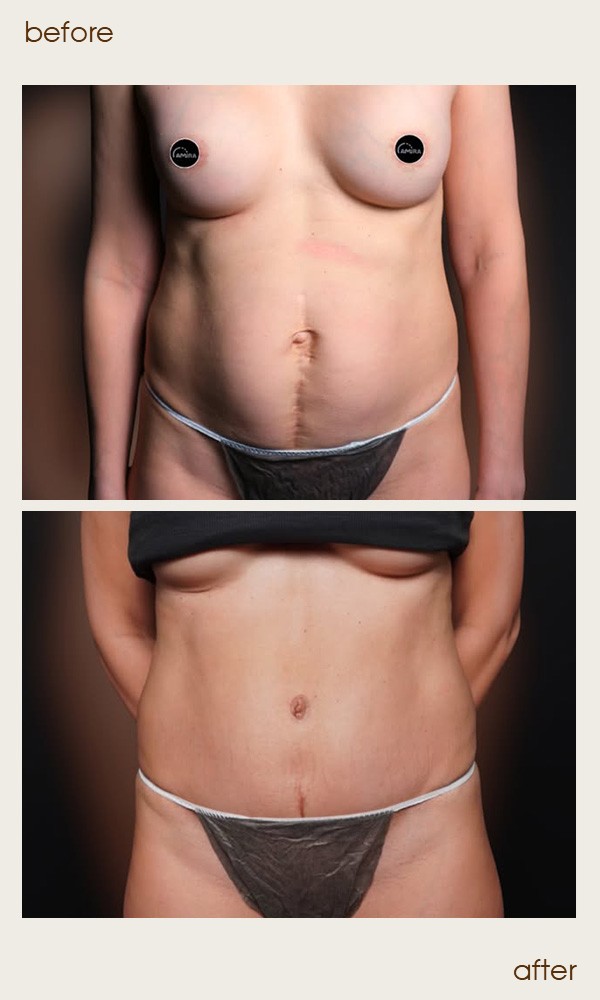
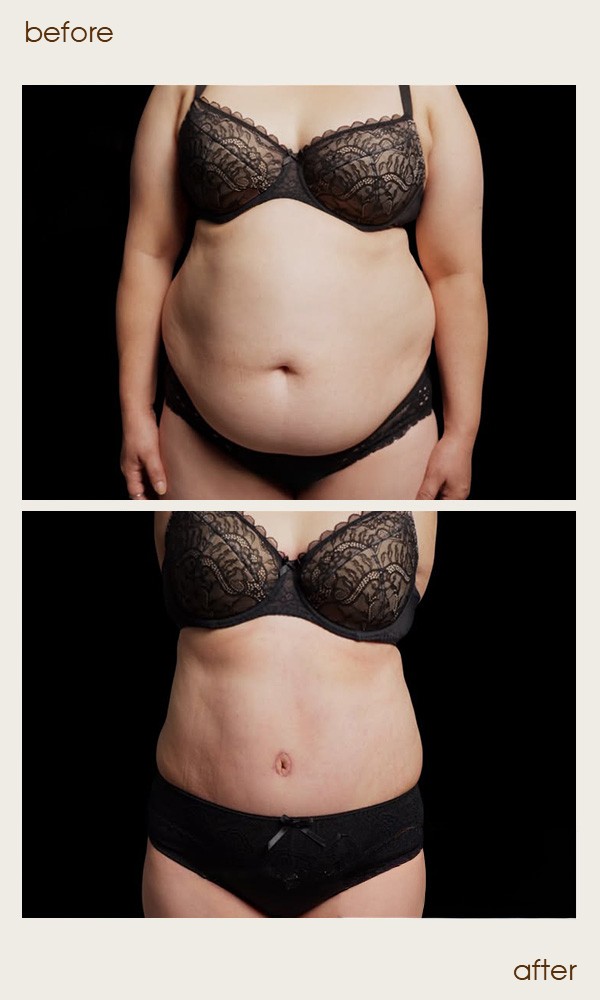
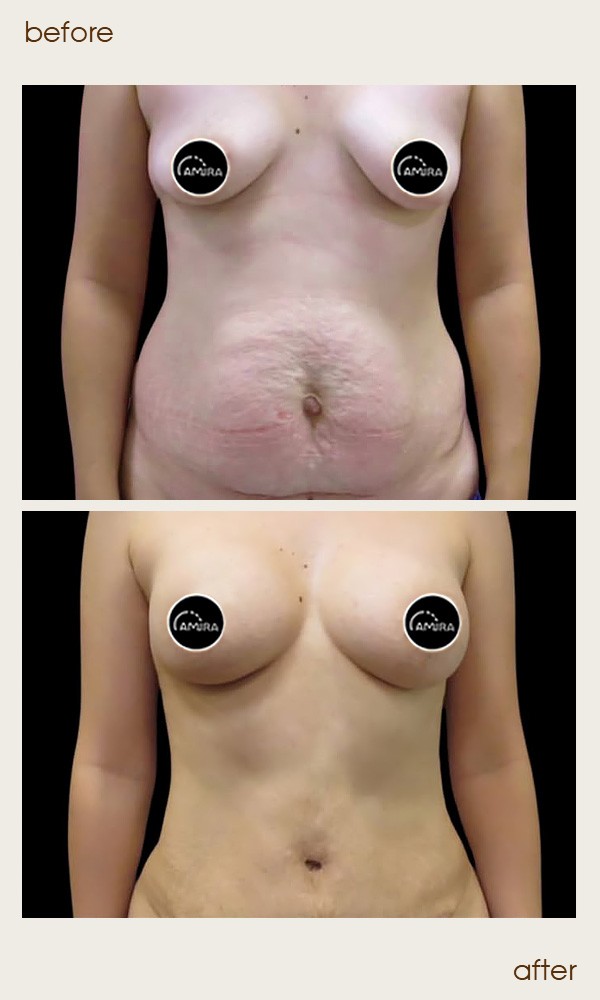
Abdominoplasty, also known as a tummy tuck, is a surgical procedure designed to address the anterior abdominal wall. It can remove excess skin and fat and, when indicated, correct weakened or separated abdominal muscles.

Patients most commonly consider this procedure after pregnancy and childbirth, significant weight loss, or pronounced changes in the skin and soft tissues of the abdomen.

At Amira, abdominoplasty is approached as an individualized procedure tailored to the body’s anatomy. The goal is not simply to reduce abdominal volume, but to restore more harmonious contours while taking into account the condition of the skin, soft tissues, and muscles.

3

WHAT IS ABDOMINOPLASTY?

Abdominoplasty, or a tummy tuck, is a surgical procedure designed to improve the shape and contour of the anterior abdominal wall.

Depending on the individual situation, the surgeon may address:

• Excess skin
• Subcutaneous fat
• Stretched tissues
• The position of the navel
• The abdominal wall muscles
• Diastasis of the rectus abdominis muscles
• Changes and scars following previous surgery

Abdominoplasty involves removing excess skin and fat and, when necessary, repairing weakened abdominal muscles to create a smoother abdominal contour.

WHO MAY BE A CANDIDATE FOR ABDOMINOPLASTY:

Abdominal contouring surgery may be considered when non-surgical approaches are no longer sufficient to address significant excess skin or changes in the abdominal tissues.

Possible reasons for considering surgery include:

• Excess skin following significant weight loss
• Abdominal changes after pregnancy
• Pronounced skin laxity
• Changes in the contour of the anterior abdominal wall
• Diastasis of the rectus abdominis muscles
• Localized changes in the soft tissues
• Changes following previous surgery
• A combination of excess skin and localized fat deposits

Abdominoplasty is not a weight-loss procedure. The ideal candidate is generally close to a stable weight, and the decision to proceed with surgery is made following a medical assessment.

TYPES OF ABDOMINOPLASTY:

Mini Abdominoplasty

Mini abdominoplasty is used to address less pronounced changes, primarily in the lower abdomen.

The procedure is less extensive than a standard abdominoplasty. Whether the upper abdomen or the position of the navel also needs to be addressed is determined individually.

Mini abdominoplasty is not suitable for every patient.

If there is significant excess skin or changes affect the entire anterior abdominal wall, a more extensive procedure may be necessary.

Standard abdominoplasty is used to address more pronounced excess skin and tissue.

Depending on the patient’s anatomy, the procedure may include:

• Removal of excess skin
• Contouring of subcutaneous fat
• Repair of the abdominal wall muscles, when indicated
• Repositioning of the navel
• Refinement of the overall abdominal contour

The exact scope of the procedure is determined following an in-person consultation.

Abdominoplasty with Diastasis Repair

If diastasis is identified during the examination, the surgeon may include repair of the anterior abdominal wall muscles in the surgical plan.

This approach addresses not only the aesthetic concern associated with excess skin but also the anatomical separation of the abdominal muscles.

The need for muscle repair is determined on an individual basis.

In some cases, abdominoplasty can be combined with liposuction in selected areas.

This approach allows the surgeon to address both excess skin and localized fat deposits.

However, liposuction and abdominoplasty serve different purposes:

**Liposuction** reduces localized fat deposits.

**Abdominoplasty** primarily addresses excess skin and changes affecting the anterior abdominal wall.

These procedures can complement each other, but they are not interchangeable.

ABDOMINOPLASTY AFTER PREGNANCY AND CHILDBIRTH

Pregnancy can significantly change the shape of the abdomen. The skin stretches, soft tissues shift, and some women develop diastasis — separation of the rectus abdominis muscles.

Even after returning to their previous weight, the skin may not regain its former elasticity. As a result, excess skin and tissue may remain in the lower abdomen.

In such cases, abdominoplasty may be one option for surgical correction. However, surgery is by no means necessary for every woman after childbirth. If the changes are moderate, the doctor may recommend other approaches or determine that surgery is not indicated.

DIASTASIS AND ABDOMINOPLASTY

Diastasis of the rectus abdominis muscles is an increased separation between the two rectus abdominis muscles. It can occur, particularly during pregnancy, as the anterior abdominal wall stretches.

When diastasis is pronounced, the surgeon may consider repairing the abdominal wall muscles during abdominoplasty, if this is part of the surgical plan.

However, it is important to distinguish between two different concerns: excess skin and diastasis.

Not everyone with excess skin has diastasis, and not every case of diastasis requires abdominoplasty. An assessment of the anterior abdominal wall is therefore necessary before surgery.

ABDOMINOPLASTY OR LIPOSUCTION?

This is one of the most common questions patients ask.

If the main concern is localized fat deposits and the skin has sufficient elasticity, the surgeon may consider liposuction.

If there is significant excess skin, liposuction alone may not be sufficient. When excess skin and localized fat deposits are present together, a combination of procedures may be considered.

Liposuction reduces volume. Abdominoplasty addresses contour and excess tissue.

That is why choosing the right procedure should begin with an assessment of the patient’s anatomy, rather than simply choosing a procedure by name.

HOW IS ABDOMINOPLASTY PERFORMED:

01. Consultation

During the initial consultation, the surgeon assesses:

• Skin condition
• The amount of excess tissue
• The distribution of fat tissue
• The condition of the abdominal muscles
• The presence of diastasis
• Scars from previous surgeries
• The position of the navel
• The patient’s overall health

The surgeon also discusses the patient’s expectations and desired outcome.

Before surgery, the doctor prescribes the necessary examinations and provides individualized preoperative instructions.

It is important to inform the specialist about all medical conditions, current medications, allergies, and previous surgeries.

Depending on the patient’s health, the doctor may recommend adjusting certain medications or stopping smoking before surgery. The American Society of Plastic Surgeons also emphasizes the importance of a medical evaluation and laboratory tests before abdominoplasty.

03. Surgery

The extent of the procedure depends on the selected surgical technique.

The surgeon removes the necessary amount of excess skin and tissue and, when indicated, repairs the abdominal wall muscles.

During a standard abdominoplasty, repositioning of the navel may be necessary.

If the procedure is combined with liposuction, the surgeon also addresses localized fat deposits.

After surgery, the patient remains under the supervision of the medical team.

Dressings may be applied to the abdominal area, and a compression garment may be used. In some cases, temporary drains are placed to remove excess fluid.

The doctor provides detailed instructions on caring for the surgical area and explains the schedule for follow-up appointments.

RECOVERY AFTER ABDOMINOPLASTY:

Recovery after a tummy tuck takes longer than recovery after many minor aesthetic procedures.

DURING THE FIRST FEW DAYS, YOU MAY EXPERIENCE:

• Swelling
• Soreness
• A feeling of tightness
• Reduced sensitivity in certain areas of the skin
• Limited mobility

Your surgeon may recommend wearing a compression garment and gradually returning to your usual activities.

Recovery time depends on the extent of the procedure and individual healing characteristics. As a general guide, some clinics in Almaty indicate a recovery period of approximately 4–6 weeks.

FREQUENTLY ASKED QUESTIONS:

How Does Abdominoplasty Differ from Liposuction?

Liposuction is primarily designed to remove localized fat deposits. Abdominoplasty addresses excess skin and tissues of the anterior abdominal wall and, when necessary, includes repair of the abdominal muscles.

Yes. Changes following pregnancy are one of the common reasons patients consider abdominal contouring surgery. However, the procedure is not suitable for every woman and requires an individual assessment.

If stretch marks are located on the area of skin removed during surgery, some of them may be removed along with that skin. However, abdominoplasty is not a standalone treatment for all stretch marks.

When indicated, the surgeon can repair the muscles of the anterior abdominal wall as part of the procedure. However, not every case of diastasis requires surgical treatment.

When Will I See the Final Results?

The shape of the abdomen changes gradually as swelling subsides and the tissues heal. The timeline for achieving the final results varies from person to person.

Pregnancy is possible after surgery, but it may affect the results of abdominoplasty. If you are planning a pregnancy, it is best to discuss the timing of surgery with your surgeon in advance.

Recovery takes several weeks, although the timeline varies from person to person. Returning to sports and full physical activity should be gradual and guided by the surgeon.

Significant excess skin and tissue in the lower abdomen is one of the situations in which abdominoplasty may be considered.

PRICING:

Mini Abdominoplasty (Without Navel Repositioning)

1 600 000–2 100 000 ₸

2 100 000–2 900 000 ₸

Scroll to Top