Amira Clinic

SMAS FACELIFT

A facelift that addresses deeper facial tissues

A SMAS facelift is a surgical facial lifting technique that addresses not only the skin but also the superficial musculoaponeurotic system (SMAS).

At Amira, we approach facial rejuvenation by considering facial anatomy and proportions, rather than simply tightening the skin.

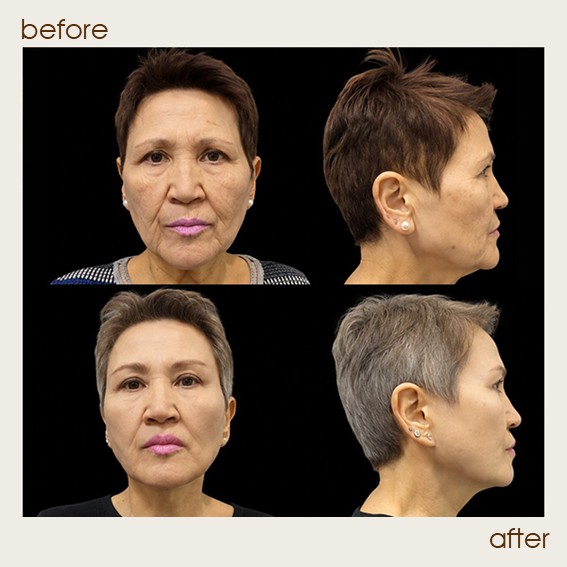
The goal of surgery is to address age-related changes, restore more defined facial contours, and preserve natural features.
l 2

WHAT IS A SMAS FACELIFT?

A SMAS facelift is a surgical facial lifting procedure in which correction is performed at the level of the superficial musculoaponeurotic system (SMAS).

The SMAS lies beneath the skin and is connected to the facial muscles and other soft-tissue structures.

Age-related changes affect more than just the skin. The volume, position, and elasticity of the soft tissues also change over time.

For this reason, a surgical facelift may involve deeper structures rather than focusing exclusively on the skin.

This is what distinguishes a SMAS facelift from techniques aimed solely at tightening the skin’s surface.

WHAT CONCERNS CAN A SMAS FACELIFT ADDRESS:

A SMAS facelift may be considered to address:

• Sagging facial soft tissues
• Loss of definition in the facial contour
• Jowls along the jawline
• Pronounced nasolabial folds
• Changes in jawline definition
• Age-related changes in the lower third of the face
• Age-related changes in the neck
• Excess skin in the lower face

A facelift does not address every sign of aging at once. Skin condition, tissue volume, the eye area, and skin quality may require additional treatment approaches. The surgical plan is therefore tailored to each patient’s individual anatomy and needs.

HOW IS A SMAS FACELIFT PERFORMED:

01. Consultation

The first step is an in-person consultation.

The surgeon assesses the condition of the tissues and identifies the main concerns to be addressed.

The consultation includes a discussion of:

• Desired outcomes
• Skin condition
• Position of the soft tissues
• Facial contours
• The neck area
• Previous surgeries
• Possible treatment approaches

Before surgery, the patient undergoes the necessary medical examinations.

The surgeon reviews the patient’s health, chronic conditions, current medications, and other factors that may be relevant to the surgical procedure.

Preoperative instructions and recommendations are also discussed.

03. Surgical Procedure

Depending on the selected technique, the surgeon makes incisions in areas that provide access to the facial tissues.

The SMAS and other soft tissues are then repositioned according to the individualized surgical plan.

The skin is subsequently redraped over the repositioned tissues.

The specific technique depends on the patient’s anatomy and the extent of correction required.

After surgery, the patient remains under the supervision of the medical team.

The surgeon monitors the recovery process and provides individualized recommendations.

FREQUENTLY ASKED QUESTIONS:

How long do the results of a SMAS facelift last?

A surgical facelift does not stop the natural aging process.

The tissues continue to change over time.

However, after surgery, the face continues to age from a new anatomical position of the tissues.

The longevity of the results depends on several factors, including:

• Age
• Skin condition
• Genetic factors
• Lifestyle
• Weight fluctuations
• Sun exposure
• The individual’s natural aging process

The first changes become noticeable as the swelling subsides.

However, the appearance immediately after surgery does not reflect the final result.

The tissues continue to adapt, and postoperative swelling gradually decreases.

Over the following months, the facial contours become more natural.

The exact time required for the final results to develop varies from person to person.

A surgical facelift does not stop the natural aging process.

The tissues continue to change over time.

However, after surgery, the face continues to age from a new anatomical position of the tissues.

The longevity of the results depends on several factors, including:

• Age
• Skin condition
• Genetic factors
• Lifestyle
• Weight fluctuations
• Sun exposure
• The individual’s natural aging process

Yes.

Like any procedure involving incisions in the skin, a facelift leaves scars.

The surgeon plans the incision locations with regard to anatomical landmarks and the possibility of concealing them within natural creases and around the ears.

Over time, scars generally become less noticeable.

However, their final appearance depends on individual healing characteristics.

For this reason, promising a “scarless facelift” is medically inaccurate.

How does a SMAS facelift differ from a traditional facelift?

A SMAS facelift is one surgical approach to facial rejuvenation in which the surgeon works with the superficial musculoaponeurotic system (SMAS).

The term “facelift” is broader and encompasses different surgical techniques.

The natural appearance of the results depends on the surgical technique, the patient’s anatomy, and the extent of correction.

Surgical planning should take the individual’s facial proportions into account.

When there is significant sagging of the facial tissues, non-surgical aesthetic treatments are not a complete substitute for a surgical facelift.

However, they may be used to improve skin quality and as part of a comprehensive treatment approach.

In some cases, multiple procedures can be performed during the same surgical session.

The suitability of combining procedures is determined individually.

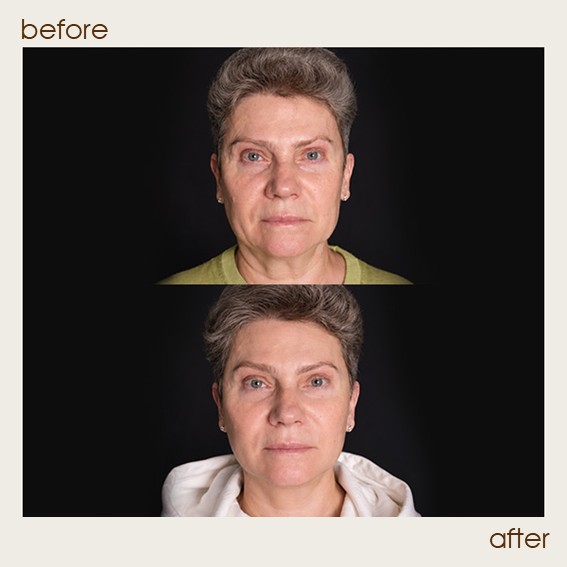
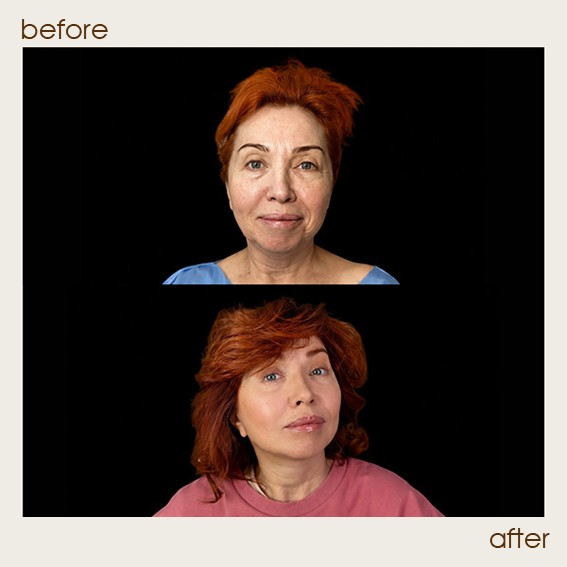
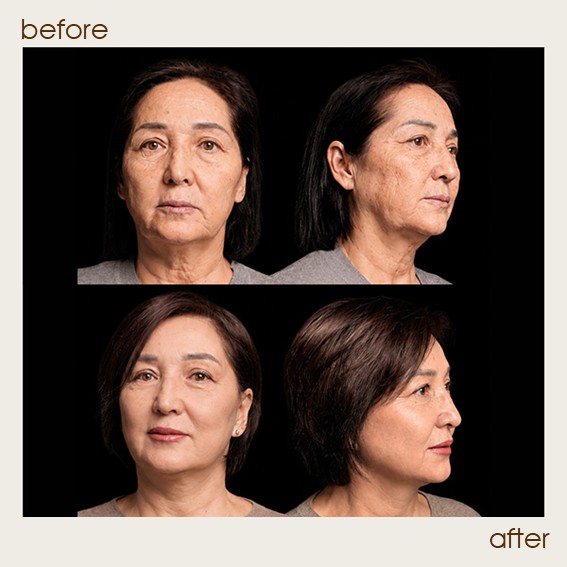
RESULTS:

PRICING:

Two-Thirds Facelift Under Local Anesthesia

1 200 000 ₸

1 800 000 ₸

2 500 000 ₸

3 700 000 ₸

Full Facelift

3 100 000 ₸

850 000 ₸

900 000 ₸

900 000 ₸

Scroll to Top