Amira Clinic

OTOPLASTY

Natural ear shape and balanced facial proportions

The ears are an important part of overall facial structure. Their size, shape, and position relative to the head influence the overall appearance of the face.

Otoplasty is a surgical procedure that can address these features by adjusting the position of the ears, their shape, or specific anatomical structures.

At Amira, our goal is not to create a dramatic change, but to achieve a natural-looking correction that harmonizes with the patient’s other facial features.

l 3

WHAT IS OTOPLASTY?

Otoplasty, or ear surgery, is a surgical procedure to correct the shape, size, or position of the ears.

The procedure may be used to address:

• Prominent ears
• Ear asymmetry
• The shape of the ears
• Specific anatomical features
• Ear deformities following trauma
• Congenital ear differences

Depending on the treatment goals, the surgeon reshapes the cartilage and adjusts the position of the ear in relation to the head.

WHAT CAN OTOPLASTY ADDRESS:

Otoplasty may be used to correct:

Prominent Ears
Adjusting the position of the ears to reduce excessive projection from the head.

Ear Asymmetry
Correcting noticeable differences between the right and left ears.

Ear Shape
Reshaping specific elements of the ear’s cartilage framework.

Ear Size
In selected cases, the surgeon can reduce the size of specific parts of the ear.

Congenital Ear Differences
Correcting anatomical features that developed during childhood or were present from birth.

Post-Traumatic Ear Deformities
Reconstructive surgery may be used to correct acquired deformities of the ear following trauma.

TYPES OF OTOPLASTY:

Aesthetic Otoplasty

The most common type of otoplasty is performed to change the shape or position of the ears for aesthetic reasons.

In many cases, the procedure is intended to correct prominent ears.

During this procedure, the surgeon reshapes the cartilage and adjusts the position of the ear.

Depending on the individual anatomy, the procedure may involve creating or reinforcing the natural antihelical fold, adjusting the position of the conchal bowl, and making other refinements.

The specific surgical technique is selected on an individual basis.

Reconstructive Otoplasty

If the shape of the ear has changed as a result of trauma, previous surgery, or a congenital condition, a more complex reconstructive procedure may be required.

This type of surgery differs from standard aesthetic otoplasty in both its scope and its objectives.

Prominent ears can cause psychological distress during childhood, particularly when children experience negative reactions from their peers.

If parents are considering surgical correction, it is important to take into account not only the medical indications but also the child’s own readiness for the procedure.

Surgery should never be presented as a punishment or as a requirement to change a child’s appearance.

The decision should be made calmly, with the involvement of the parents, the child, and the doctor.

FREQUENTLY ASKED QUESTIONS:

How is otoplasty performed?

The procedure is performed under the type of anesthesia selected by the surgeon.

Depending on the treatment goals, the surgeon makes an incision in the ear area, then reshapes the cartilage and adjusts the position of the ear.

Special surgical sutures may be used to maintain the new shape.

The incision is usually placed in the natural crease behind the ear, helping conceal the postoperative scar once healing is complete.

The specific technique depends on the patient’s anatomy and the treatment goals.

The change in ear position is noticeable immediately after surgery, although the tissues may remain swollen during the first few weeks.

As recovery progresses, the swelling subsides and the ears gradually take on a more natural appearance.

The final result is assessed once the tissues have fully adapted.

Otoplasty involves a surgical incision.

In standard correction procedures, the incision is usually placed behind the ear, within the natural crease.

As healing progresses, the scar generally becomes less noticeable.

However, scar formation varies from person to person, so it is not possible to guarantee that the scar will disappear completely.

This depends on the patient’s age and individual anatomical circumstances.

In newborns and young infants, non-surgical ear molding techniques may be available because the cartilage is more pliable during this period.

In adults, the cartilage has generally matured, making it difficult to achieve reliable changes in ear shape through aesthetic treatments or home methods.

When a significant change in the position or shape of the ear is required, surgical otoplasty is the primary approach.

Can the shape of the ear be changed?

Yes. Depending on the anatomical concern, the surgeon can reshape specific structures of the ear.

The timing is determined by the surgeon. During the first few weeks, it is important to avoid putting pressure on the operated ear.

A return to physical activity should be gradual. The timing depends on the type of sport and the recovery process.

Yes. Otoplasty can be performed once the ears have developed sufficiently. The decision should be made jointly by the parents, the child, and the surgeon.

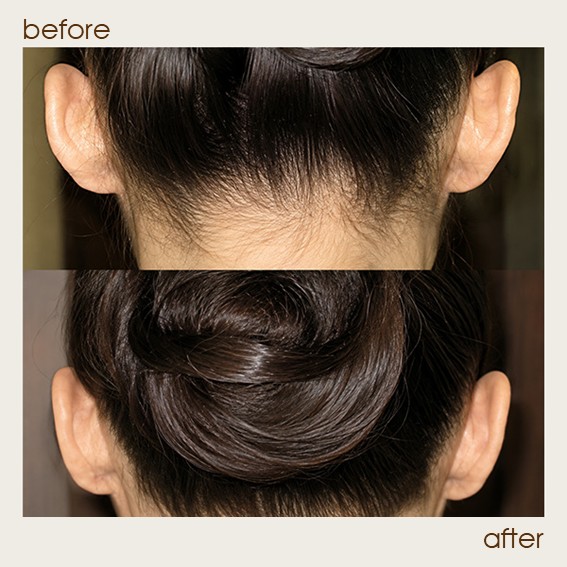
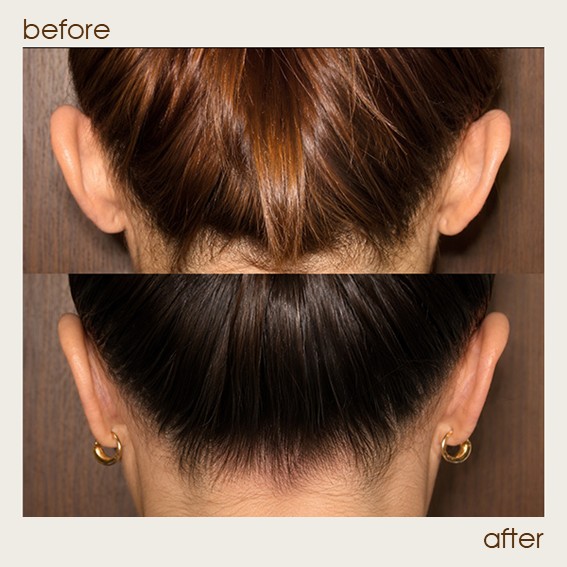
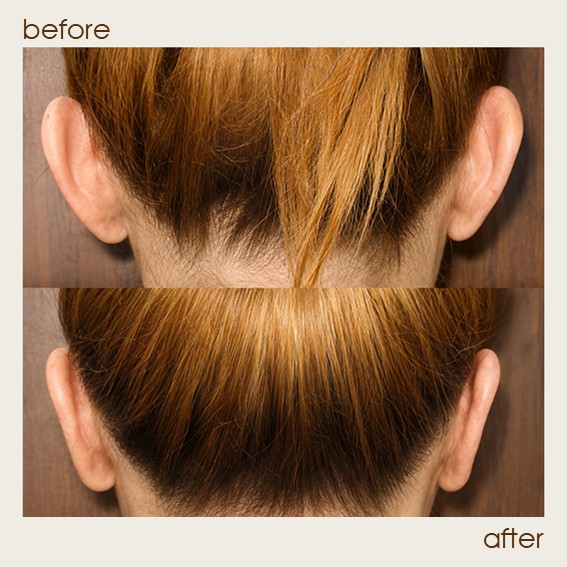
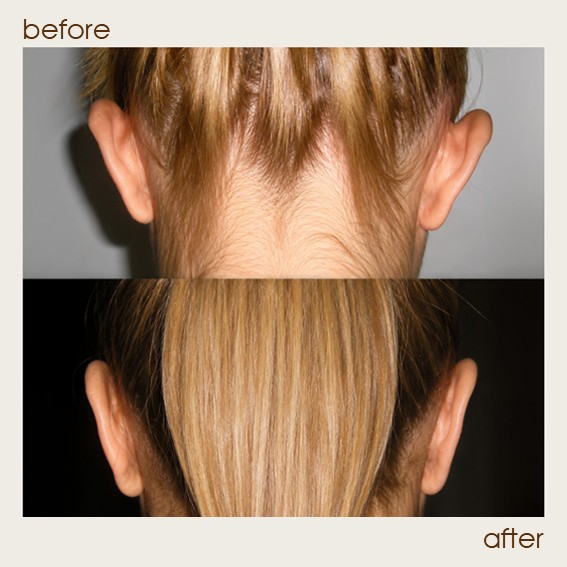
RESULTS:

PRICING:

Correction of Prominent Ears — Stage I

from 250 000 ₸

from 300 000 ₸

from 350 000 ₸

Earlobe Repair

from 150 000 ₸

70% of the cost of the surgery

from 150 000 ₸

Scroll to Top