Amira Clinic

LIPOSUCTION

Body contouring tailored to your individual anatomy

Liposuction is a surgical procedure designed to remove localized fat deposits and refine the contours of specific areas of the body.

It may be considered when localized fat deposits persist despite a balanced diet, physical activity, and a stable body weight.

At Amira, liposuction is not viewed as a weight-loss method, but as a tool for precisely refining body proportions.

The goal is not simply to reduce the volume of a particular area, but to create more harmonious contours while taking into account the patient’s anatomy, skin condition, and body proportions.
l 5

WHAT IS LIPOSUCTION?

Liposuction is a surgical technique for removing localized fat deposits using a specialized cannula. Through small incisions, the surgeon inserts the cannula into the subcutaneous fat and removes excess fat from predetermined areas.

Liposuction may be used to refine the contours of:

• Abdomen
• Waist
• Thighs
• Buttocks
• Knees
• Arms
• Back
• Chin
• Other areas with localized fat deposits

The specific areas treated depend on the patient’s anatomy and the selected surgical approach.

LIPOSUCTION IS NOT A WEIGHT-LOSS PROCEDURE

Liposuction is not intended to treat obesity and does not replace weight loss. Its purpose is localized body contouring.

For example, a person may have a relatively stable body weight but still retain fat deposits around the abdomen, flanks, or thighs. In such cases, liposuction can specifically address these areas.

Liposuction changes body contours, not the number on the scale.

The most suitable candidates are generally people with a stable body weight and localized fat deposits. Skin condition is also an important factor in determining the likely outcome.

WHICH AREAS CAN BE TREATED:

Abdominal Liposuction

The abdomen is one of the most commonly treated areas.

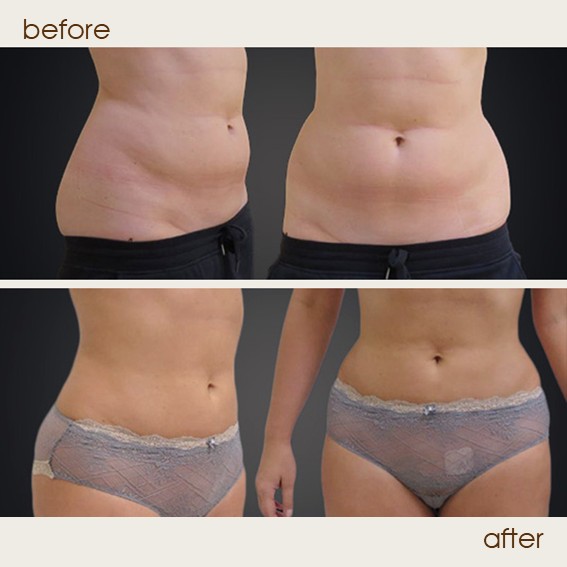
The procedure can reduce localized fat deposits and create more harmonious transitions between the abdomen, waist, and flanks.

However, if significant excess skin or pronounced separation of the abdominal muscles is also present, liposuction alone may not be sufficient.

In such cases, the surgeon may consider **abdominoplasty** or a combination of procedures.

Localized fat deposits around the flanks can affect the overall proportions of the figure.

Treating this area can create a smoother transition from the waist to the hips.

It is important to assess the area not in isolation, but in the context of the body’s overall proportions.

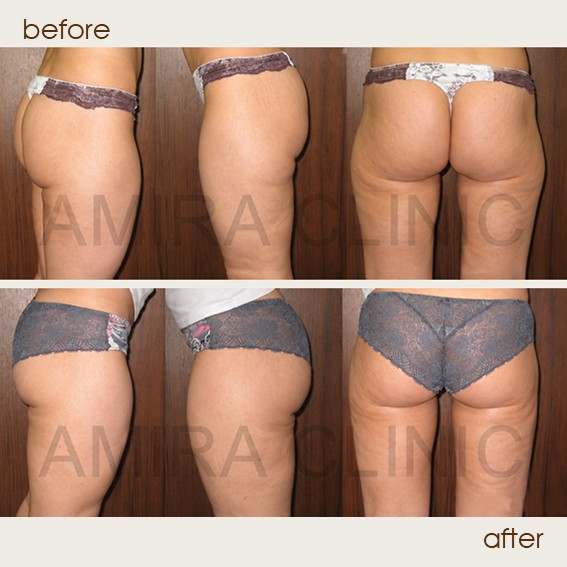
Liposuction can be used to address localized fat deposits on the inner or outer thighs.

The extent of the procedure is determined individually.

The surgeon’s goal is to preserve natural transitions between anatomical areas and avoid excessive removal of fat tissue.

Arm Liposuction

When localized fat deposits are present around the shoulders and upper arms, liposuction may be used to refine their contours.

However, if the main concern is significant excess skin, particularly after substantial weight loss, liposuction alone may not be sufficient.

In such cases, an alternative surgical approach may be considered.

Back contouring may involve treating localized fat deposits around the flanks and lower back.

It is particularly important to assess this area together with the waist and abdomen, as the relationship between these areas contributes to the overall body silhouette.

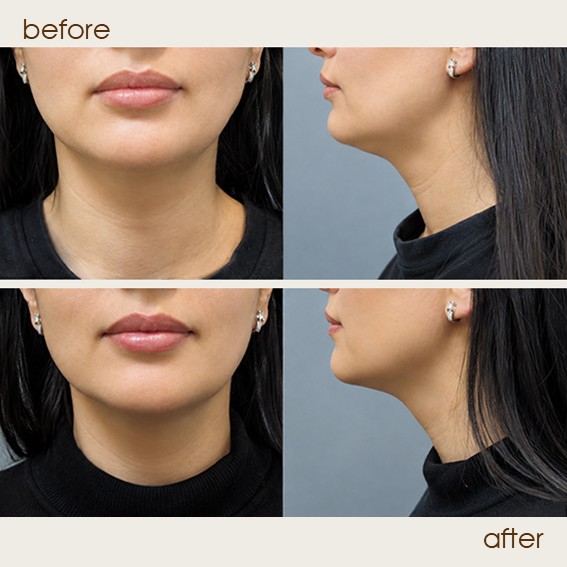
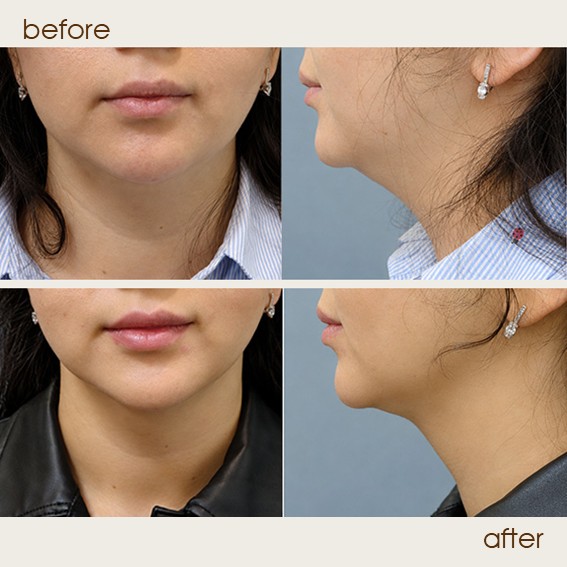
Chin liposuction is used to address localized fat deposits beneath the chin and along the submental area.

It may help create a more defined contour in the lower third of the face.

However, when significant skin laxity or age-related changes are present, liposuction alone may not be sufficient.

In such cases, the doctor assesses whether additional soft-tissue correction may be necessary.

HOW IS LIPOSUCTION PERFORMED:

01. Consultation

The surgeon assesses:

• The distribution of fat tissue
• Skin condition
• Body proportions
• Symmetry
• The areas intended for treatment
• The patient’s overall health
• The patient’s expectations

Based on this assessment, the potential scope of the procedure is determined.

Before surgery, the surgeon marks the areas to be treated.

This marking helps establish the surgical plan and takes into account the relationship between different areas of the body.

03. Anesthesia

The choice of anesthesia depends on the extent of the procedure, the number of areas being treated, and the medical indications.

The specific approach is determined by the anesthesiologist and the surgeon.

Through small incisions, the surgeon inserts a cannula and removes fat tissue from the planned areas.

Modern liposuction techniques may differ in how the fat tissue is prepared and removed. However, the choice of technology should not be driven by marketing considerations alone, but should take into account the patient’s anatomy and the goals of the procedure.

WHEN IS LIPOSUCTION SUITABLE?

Liposuction may be considered when:


• Body weight is relatively stable;
• Localized fat deposits are present;
• Diet and physical activity have not changed the contours of a specific area;
• The patient has realistic expectations;
• Skin condition is likely to allow an acceptable contour after the reduction of tissue volume.

The final decision is made after a consultation. The doctor assesses not only the amount of fat, but also skin elasticity, the condition of the tissues, body proportions, and the patient’s overall health.

WHEN MIGHT LIPOSUCTION NOT BE ENOUGH?

Liposuction does not address every concern related to body contour. For example, if significant excess skin develops after pregnancy or substantial weight loss, removing fat alone will not eliminate the excess skin.

In such cases, **abdominoplasty** may be considered. If there is significant tissue sagging or other changes, the doctor may recommend an alternative surgical approach.

The right procedure is not the one that promises to solve everything, but the one that addresses the specific anatomical concern.

FREQUENTLY ASKED QUESTIONS:

When Will I See the Results?

Changes in body contours may become noticeable as postoperative swelling begins to subside. However, it is too early to assess the results immediately after surgery. The tissues gradually adapt, swelling decreases, and the contours become more defined.

The final assessment of the results is made after the main stages of recovery have been completed.

The fat cells removed during liposuction do not regenerate in the same numbers. However, this does not mean that your weight can no longer change.

With significant weight gain, fat tissue can increase in other areas of the body and affect the overall body contour.

Maintaining a stable weight after surgery helps preserve the results. The NHS also notes that the effects of liposuction are generally long-lasting when a stable weight is maintained.

If the main concern is localized fat deposits, liposuction may help reduce abdominal volume. If excess skin or diastasis is present, a different or combined surgical approach may be necessary.

These procedures address different concerns. Liposuction primarily targets fat deposits, whereas abdominoplasty addresses excess skin and the tissues of the anterior abdominal wall.

Can I Have Liposuction After Weight Loss?

Yes. Liposuction may be used to address localized fat deposits after weight loss. If significant excess skin remains after weight loss, the doctor may consider other treatment options.

No. Liposuction does not remove stretch marks on its own. If stretch marks are located on an area of skin that is removed during another surgical procedure, some of them may be removed along with that skin.

Recovery varies from person to person. A gradual return to normal activities is recommended, and swelling may persist for several months.

A return to physical activity should be gradual. The timing depends on the extent of the procedure and the recovery process, so it should be discussed with the surgeon.

RESULTS:

PRICING:

Chin Liposuction

from 300 000 ₸

from 300 000 ₸

from 400 000 ₸

450 000 ₸

1 000 000–1 800 000 ₸

1 000 000–1 800 000 ₸

1 000 000–1 800 000 ₸

1 000 000–1 800 000 ₸

from 100 000 ₸

from 500 000 ₸

80 000 ₸

Scroll to Top